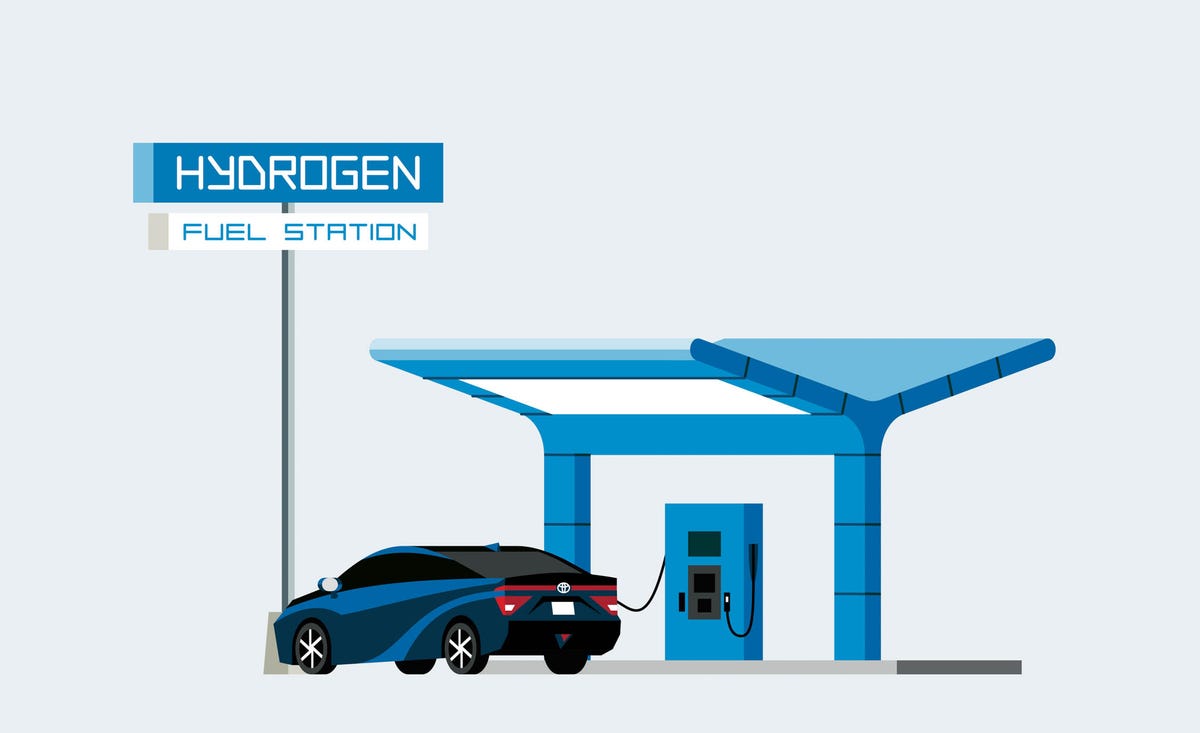
In order to help the environment, the auto industry has been putting a burden on the consumer to do their part. But, the thing is, people are tired of it. Consumers have been dragged into numerous environmental efforts in the past across industries, like recycling, conserving water, and planting trees, yet it’s never enough. Still, consumers are once again facing the burden of adjusting to electric vehicles, with promises of strong infrastructure, shiny rebates, and tax credits, and the looming threat around our environment.
Don’t get me wrong, I think EVs are great for certain use cases, like local driving, commuting, and short trips, but it is still vital to have in-home charging readily available. Public charging, the equivalent of gas stations, is difficult to find and often in use, broken, or too far away. When you eventually find an open EV charger, you have to spend upwards of 30-60 minutes to charge your vehicle and often still pay more than if you filled up with gasoline.
The heart of the problem with public charging lies in the drastic infrastructure and consumer lifestyle shake-up. With most new technologies, costs are high, reliability is low, and customers are wary. EV Charging is no different. Customers have to alter their lifestyles by dealing with lagging charging infrastructure and meticulously planning their days around charging so they don’t end up with a dead car on the side of a highway.
Without getting into the weeds on EV charging (I could write a whole essay on issues and pain points around it), it is not always an ideal solution for drivers and requires drastic changes in our electrical infrastructure and consumer lifestyle. Electric vehicles create a large burden on OEMs, consumers, infrastructure, and energy providers, while hydrogen seems to reuse what we already have today:
- Vehicle manufacturers can use slightly modified, tried and true ICE engines with hydrogen fuel instead of gasoline, resulting in minimal emissions with reduced engineering need
- Consumers are using vehicles with engineering and technology they are mostly familiar with
- The process of refueling with hydrogen is similar to gasoline and only takes a few minutes
With consumers and OEMs happier, the missing piece of the pie is fuel and energy providers. These providers are in a less complex situation than they are with electric vehicles. Rather than tap into an aging power grid and build electric chargers all over the country from scratch, hydrogen may allow them to reuse much of their current infrastructure:
- Current gas stations can be upgraded with new fuel pumps and tanks to support hydrogen
- Oil refineries can become hydrogen “refineries” and shift to renewable energy
- Hydrogen can still be delivered to stations with a similar logistics network
- As a bonus, rural stations can generate their hydrogen, limiting the need for trucks to travel long distances, saving money
As hydrogen continues to expand, the technology behind it will continue to advance, making vehicles and processes more efficient and more green. In a hydrogen future, I think EVs will still have a place, supporting use cases where they still have a competitive advantage. This could mean a second commuter EV for families, powering short-distance trucking and deliveries, and in certain industrial settings like airports, factories, and warehouses.
Sometimes, it’s too easy to forget why we are venturing down this path. The industry has tested multiple types of EVs over the past few years, and many learnings have come out of it. I think it’s time to review those learnings and reevaluate the future of automotive and energy. With EV sales slowing and consumer interest declining, maybe it’s time the industry and governments further test out hydrogen before going all in on electric.
Note: The thoughts expressed are my own and do not necessarily reflect those of my employer.
Below are some resources I used to research and may help if you want to learn more:
- Background around Hydrogen internal combustion engines and Hydrogen Fuel Cells - Cummins
- Hydrogen fueling overview - Drive Clean California
- California is the only state pushing hydrogen and has hydrogen stations right now
- Why so many electric car chargers in America don’t work - Bloomberg
- While from May 2023, it highlights many of the problems that persist today
- What happened to EVs - Business Insider
This comment has been removed by the author.
ReplyDeleteWith its first-rate solutions, El-Monde is transforming the Electric vehicle charging solutions! All electric vehicle drivers have access to their efficient and user-friendly choices, including fast-charging stations and home charging systems. El-Monde has a dependable charging network, so you can finally relax and enjoy your drive without worrying about your battery dying.
ReplyDelete